my Story
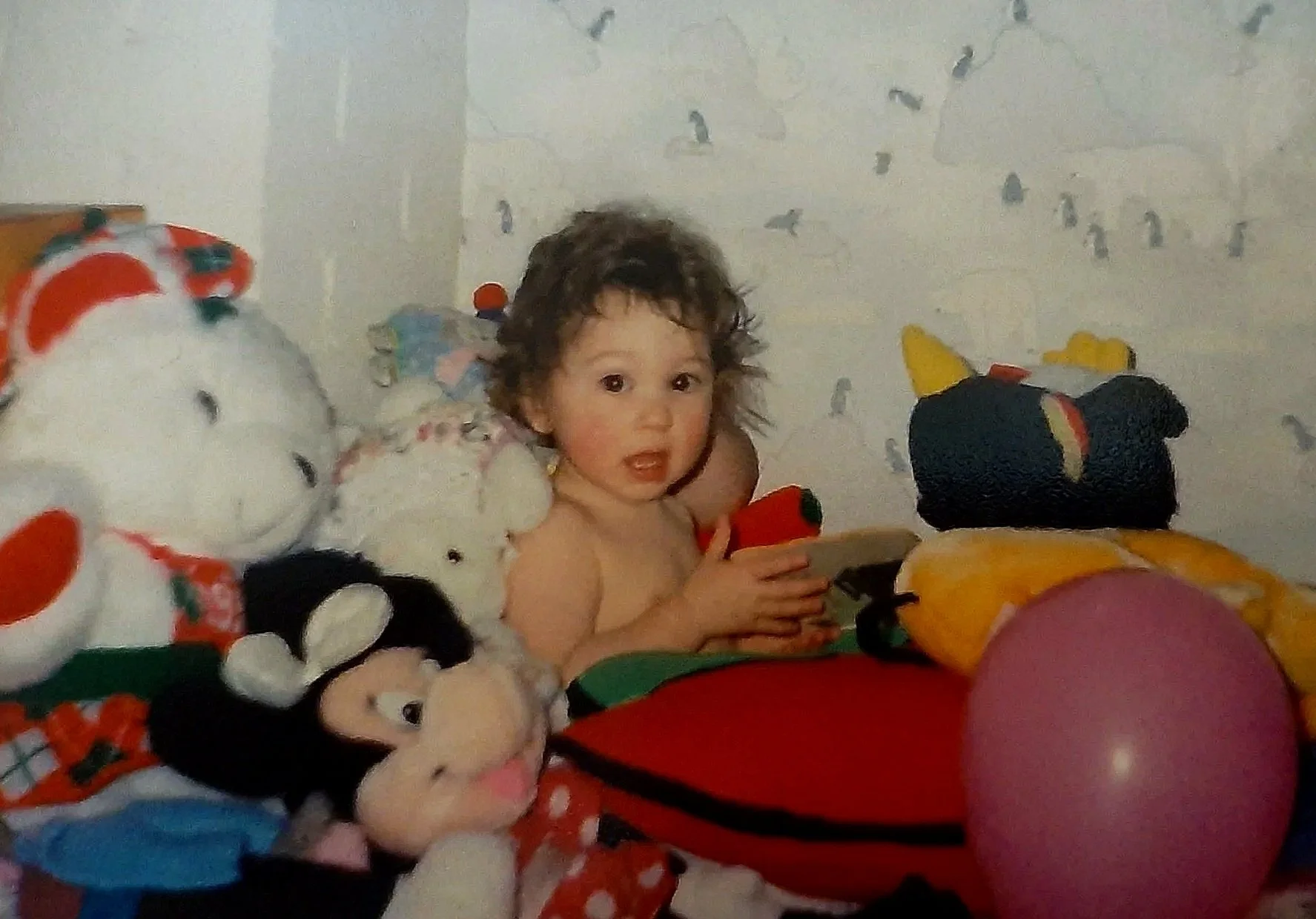
Halfway through my mental health nursing degree, I started seeing more and more people talking online about ADHD. The more I read, the harder it became to ignore the obvious: throughout my life, my struggles with impulsivity, inattention and hyperactivity were a better explanation for my lifelong issues than anything I’d thought about before.
My inability to stick to a career or hobby for any length of time, my constantly racing thoughts and my bursts of productivity amongst hours of being unable to focus were all classic ADHD traits. I began to see more and more of these traits, first in my current self and then in my history and my family culture.
Later, in my final nursing placement and what would become my first nursing job, I learned how to assess and diagnose ADHD and autism in children and young people’s services. Again, I couldn’t help seeing myself.
Alongside this, I was discovering my gender identity and making decisions about what this meant for me. Dysphoric feelings were becoming unbearable and I had to do something about them.
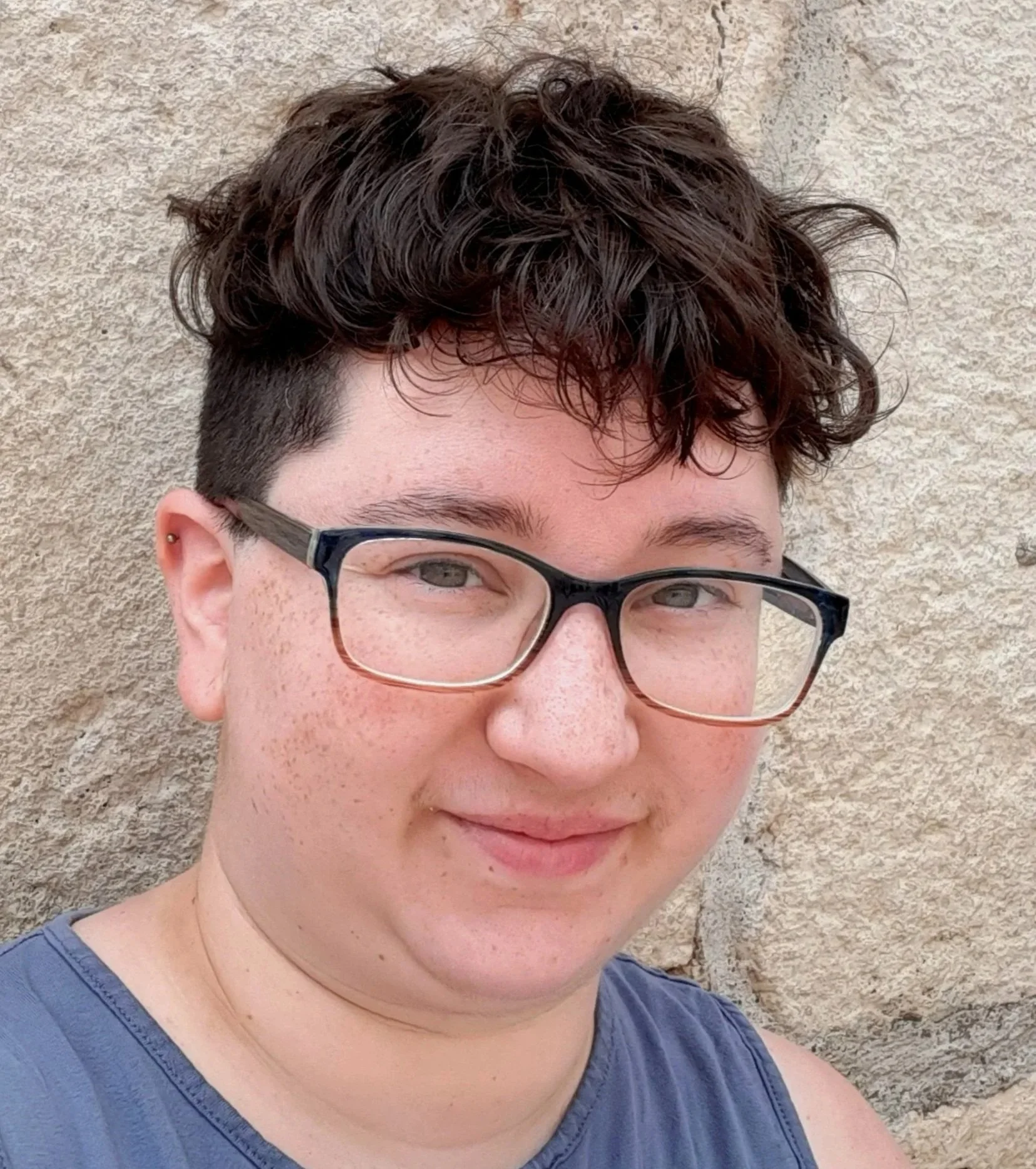
Finally, a month after I qualified as a mental health nurse, I received an ADHD diagnosis and started medication. Within a couple of weeks, I noticed that for the first time in my life I felt rested after a night’s sleep. Then I realised I’d gained the ability to think about what I wanted to say and do before I said it. Following routines and completing (and remembering) tasks was easier. It was a revelation. Within a month of starting ADHD medication I no longer needed the antidepressants I’d been taking for most of my adult life.
But now I was on ADHD meds, other parts of me had room to breathe. Suddenly, I was aware of my sensory needs: that overhead lights give me a headache, that I struggle to follow a conversation when I’m in a busy place, that very specific smells and textures distress me. And most of all, I realised I had never actually been the ‘extrovert’ I thought I was. That, actually, I need rest after socialising. I frequently act in ways that other people don’t understand. I hate eye contact except when I want to feel intimate with someone.
It took being on ADHD medication to calm my fast brain down enough for me to be able to listen to my autistic needs, to get to know my autistic self. I referred myself for an assessment under the staff clinic at my NHS trust.
8 months later, at the age of 31, I was diagnosed as autistic. I had started my medical transition with hormone replacement therapy (HRT), was living on my own for the first time in my adult life, and although the dysphoria was debilitating, I was so relieved to finally be meeting my true self.
In the years that followed, I learnt more about autism and ADHD, and along the way, I learnt how stigma and discrimination had, and continued to, be a blight on my life.
Attempts to get my needs met, both at work and in my personal life, have consistently been met with refusals, excuses and misunderstandings. As I’ve become better at dropping my neurotypical mask, I’ve experienced increased social rejection and been, even more than before, the ‘odd one out’ in work and social settings. I’ve come up across organisational and cultural barriers across many areas. Colleagues have told me that they didn’t think an autistic person could do my job.
My passion: helping neurodivergent people to understand their neurotype, accept themselves for who they are, and learn to shape their life around their needs, is fundamentally incompatible with an NHS which is systemically inaccessible for neurodivergent patients and staff.
Until the system is redesigned, shaped around neurodivergent ways of moving through the world, our services will continue to fail and, what’s more, they will continue to cause trauma.
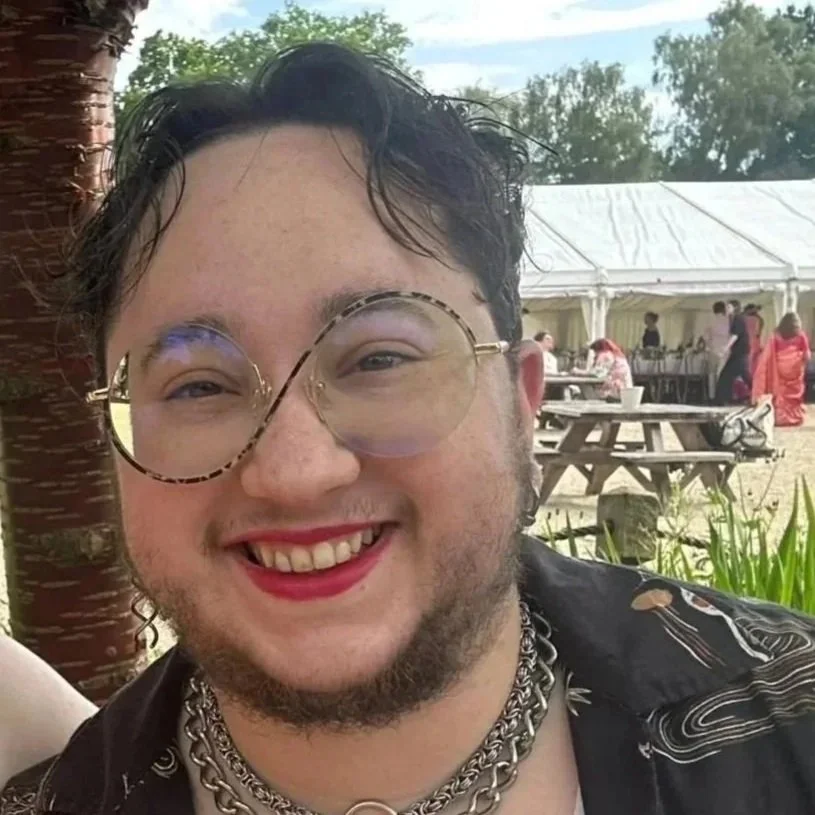
Now, in my neuroqueer life skills work, I help others to understand and accept the unique way that they experience the world and learn how to live the most neuro-affirmative life possible. I educate clinicians, students and the general public on all things neurodivergence. And I’m part of the new movement of neurodivergence research being led by neurodivergent people.
My work helps me in turn to better understand and accept my neurotype, and to continue to shape my life around my needs and skills.
Things might continue to be difficult for me, and we’re a long way from equal rights for neurodivergent people in society. But the more I do this kind of work, and the more I learn to slow down in my personal life and be honest with myself and others about what is realistically doable for me, the better I get at coping with it all. The better I get at being kind to and nurturing myself - the me now, the me of my past and the me I will become in the future.
